
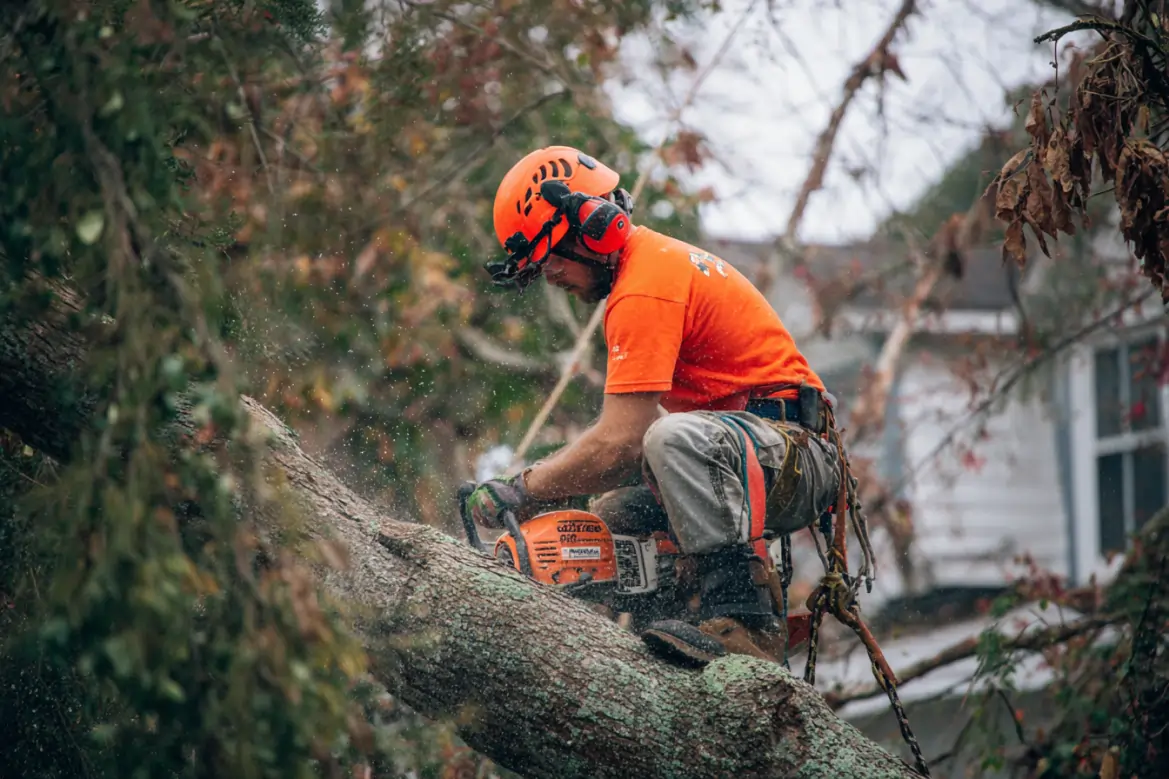
Trees are an essential part of any property, offering shade, aesthetic value, and environmental benefits. However, maintaining their health and ensuring safety is critical. Over time, trees can develop issues that may not always be apparent to the untrained eye. Knowing the signs that indicate the need for professional tree services can help protect your property and preserve the long-term health of your trees.
Common Warning Signs to Watch For
- Dead or Dying Branches: If you notice brittle, dry, or leafless branches on your tree, it is often a sign of disease or decay.
- Leaning Trees: A significant lean—especially if it has developed suddenly—can indicate root instability.
- Visible Cracks in the Trunk or Branches: Structural cracks weaken the tree and increase the risk of falling limbs or even total collapse.
- Fungal Growth at the Base: The presence of mushrooms or other fungi around a tree’s base often signals internal decay.
- Excessive Shedding: If a tree sheds leaves prematurely or more than usual outside its natural cycle, underlying health issues could be present.
Why Tree Health Matters
- Dead branches can fall unexpectedly during storms or high winds.
- Unstable trees near homes, driveways, or pathways create liability risks.
- Overgrown branches can interfere with power lines or damage roofs.
- Uprooted trees due to weak roots can destroy fences, vehicles, or buildings.
- A diseased tree detracts from curb appeal and reduces overall property value.
- Healthy trees enhance landscaping designs and provide shade effectively.
Situations Requiring Immediate Attention
| Problem | Why It’s Urgent |
| Hanging Branches | Could fall without warning |
| Hollow Areas in Trunks | Indicates severe structural weakness |
| Pest Infestations | Can spread damage to nearby plants |
| Storm Damage | May lead to sudden collapse |
If you observe any of these situations on your property, contacting a certified arborist promptly is recommended.
Benefits of Professional Tree Services
Hiring professionals ensures that complex tasks such as pruning, trimming, stump grinding, or hazard removal are performed safely and efficiently. Experts use specialized tools and techniques while following proper safety protocols to minimize risk.
Investing in professional care also enhances the long-term vitality of your trees by promoting healthier growth patterns through precision pruning and regular maintenance plans.
Proactive monitoring saves not only money but also protects your family’s safety while preserving an environmentally friendly landscape around your home.
Identifying Tree Issues with Expert Help from a Tree Removal Company Palm Bay FL
Michael’s Tree Service
1232 Dawn St NE, Palm Bay, FL 32905
+13212947508
Healthy trees are an essential part of a vibrant landscape, but they can experience conditions that threaten their health and safety over time. Identifying potential problems early can help prevent serious issues from developing. Below are some visible signs of tree trouble to watch for and address promptly.
Identifying Tree Distress with an Arborist in Palm Bay FL
- Leaf Discoloration
Leaves that yellow or brown out-of-season may indicate nutrient deficiencies, root damage, or disease. - Wilting or Drooping Leaves
Persistent wilting may suggest water stress, root rot, or pest infestations. - Sparse Foliage or Premature Leaf Drop
Uneven growth or early leaf shedding could signal stress caused by environmental factors or internal tree issues.
Identifying Structural Red Flags with a Tree Pruning Service in Palm Bay FL
- Cracks in the Trunk
Visible cracks in the trunk may compromise the tree’s structural integrity, increasing its risk of falling during storms. - Leaning Trees
A sudden tilt or lean could indicate weak roots or soil erosion beneath the tree. This is a clear warning sign requiring professional assessment. - Deadwood
Dead branches not only detract from a tree’s appearance but also pose a hazard if they fall unexpectedly. Removing these branches is crucial to maintaining safety.
Identifying Pests and Disease Symptoms Before Tree Removal Palm Bay FL
| Symptom | Possible Cause |
| Holes in bark | Borer insects |
| White powdery coating | Powdery mildew disease |
| Sticky residue | Aphid infestation |
Prompt action against pests and diseases helps minimize long-term damage.
Why Addressing Early Signs Matters
- Compromised structural stability leading to potential property damage.
- The spread of diseases that affect nearby healthy trees.
- Decreased aesthetic value and overall health of your landscape.
Proactive care ensures your trees remain healthy, safe, and able to thrive for years to come. If you’re unsure about the severity of an issue, consulting with a professional arborist is highly recommended for accurate diagnosis and intervention.
Addressing Dead or Dying Branches to Prevent Hazards and Promote Growth
Dead or dying branches on a tree are more than just an aesthetic concern. They can pose serious safety hazards and negatively impact the overall health of your tree. Understanding how to address these issues is essential for maintaining a healthy and thriving landscape.
Why Dead or Dying Branches Are a Problem
- Safety Hazards: These branches are prone to breaking and falling, especially during storms or high winds. This can result in property damage or even injuries.
- Potential for Pests and Diseases: Deadwood provides an entry point for pests like termites, beetles, or fungi that can spread throughout the tree.
- Interference with Healthy Growth: Dying limbs compete with healthy parts of the tree for resources like water, sunlight, and nutrients.
Signs of Dead or Dying Branches
- Lack of Leaves: A branch that remains bare during the growing season is likely no longer viable.
- Brittle Texture: Bendable branches are typically alive, whereas dead ones break easily under pressure.
- Discolored Bark: Peeling bark or discoloration may suggest decay.
- Fungal Growth: The presence of mushrooms or other fungi on a branch indicates rot.
Steps to Address Problematic Branches
- Pruning: Removing damaged branches improves both safety and tree health:
- Use clean, sharp tools to make cuts at appropriate angles near the base of the branch.
- For large branches, consider hiring professionals to avoid improper cutting techniques that may harm the tree.
- Dispose of pruned debris promptly to prevent pests from spreading through decaying wood.
- Regular inspections help identify problems early before they escalate.
| Pruning Tool | Suitable Usage |
| Hand Pruners | Small twigs and thin branches |
| Loppers | Medium-sized limbs |
| Pruning Saws | Thick branches (over 2 inches wide) |
Benefits of Prompt Action
- Increases sunlight penetration and airflow through the canopy
- Encourages new growth in healthier sections
- Reduces risks posed by falling debris
- Enhances overall appearance and curb appeal.
When Professional Help is Necessary
- Large trees with high-reaching limbs
- Trees located near power lines or structures
- Extensive decay requiring specialized knowledge
Certified arborists bring expertise in diagnosing tree issues while using proper tools safely. Their services ensure not only healthier trees but also peace of mind knowing that safety risks have been properly addressed.
By staying proactive in identifying and managing deadwood issues, you protect your property while fostering an environment where your trees can flourish year-round.
Recognizing Cracks in the Trunk or Branches That Indicate Structural Issues
Cracks in the trunk or branches of trees are often overlooked but can be a critical sign of structural instability. Left unaddressed, these cracks can lead to weakened trees that pose safety risks to people, property, and the surrounding landscape. Understanding why cracks occur and what they indicate is key to maintaining tree health and ensuring safety on your property.
Common Causes of Cracks in Trees
- Storm Damage: Heavy winds, lightning strikes, or excessive snowfall can stress tree trunks and branches, causing them to split.
- Rapid Growth: Some trees grow too quickly for their structural foundation, leading to weak spots that may crack under pressure.
- Drought Stress: Lack of adequate water can dry out wood tissues, increasing the likelihood of cracking.
- Temperature Extremes: Fluctuations between freezing and thawing temperatures during winter months can create frost cracks.
- Structural Defects: Poor pruning techniques or natural growth irregularities may result in weak branch unions prone to splitting.
Signs That Cracks May Be a Serious Issue
- Cracks Extend Deep Into the Wood
Superficial bark splits are less concerning than deep cracks penetrating into the tree’s core. - Multiple Cracks on Large Branches or Trunk
A single crack might not destabilize a tree, but multiple fractures increase failure risk. - Splits Near Major Load-Bearing Branch Unions
If cracks appear at junctions where large branches meet the trunk (also known as “crotches”), they could eventually lead to branch failure. - Visible Signs of Decay Inside Cracks
If you notice fungal growth, insects, or spongy wood around cracks, this could be a sign of internal rot. - Leaning Tree with Cracks at Its Base
A leaning tree combined with noticeable splits near its base may signify root instability.
Why Addressing Tree Cracks Is Critical
| Problem | Potential Consequences |
| Weakening Structural Integrity | Increased likelihood of falling limbs |
| Risk to People and Property | Injury or damage from collapsing branches |
| Compromised Tree Health | Reduced ability for nutrients circulation |
| Higher Likelihood of Pest Infestation | Cracked areas attract insects like borers |
By addressing these concerns early through proactive care or removal when necessary, you reduce risks while preserving your landscape’s aesthetic value.
How Professionals Address Tree Cracking Issues
- Certified arborists inspect the extent and severity of damage using tools like resistographs or sonic tomography.
- For non-critical cases where preservation is possible, support systems like cables and braces provide additional reinforcement.
- Removing damaged branches helps redistribute weight evenly while reducing stress on weaker areas.
- In cases where repair isn’t viable due to extensive damage or decay within major sections of the tree structure, removal becomes essential.
Preventative Measures for Avoiding Future Cracking
- Schedule regular inspections by certified arborists
- Ensure proper pruning practices are followed annually
- Water during drought periods to minimize stress
- Avoid wounding trunks with tools or lawn equipment
- Protect bark during extreme weather events using wraps if necessary
By staying proactive about monitoring tree health and addressing potential problems early on, you’ll ensure safer outdoor spaces while extending your trees’ lifespan significantly.
Recognizing Cracks in the Trunk or Branches That Indicate Structural Issues
Trees are resilient and vital components of any landscape, but they are not immune to damage over time. One of the most critical signs that a tree may be compromised is the appearance of cracks in its trunk or branches. These cracks can indicate underlying structural issues that, if left unaddressed, can pose safety hazards and lead to further deterioration of the tree. Understanding these warning signs and knowing when to act is key to maintaining healthy trees and a safe environment.
Common Causes of Cracks in Trees
Cracks in tree trunks or branches can be caused by various factors, including:
– Weather Stress: Strong winds, heavy snow, or ice accumulation can place immense strain on a tree’s structure, leading to cracks.
– Rapid Growth: Trees that grow too quickly may develop internal weaknesses due to uneven wood development.
– Pest Infestations: Insects such as borers or beetles can weaken wood fibers, making trees more prone to cracking.
– Diseases: Fungal infections and other diseases can compromise a tree’s structural integrity.
– Improper Pruning: Poor pruning techniques may leave wounds that don’t heal properly, increasing vulnerability over time.
Types of Cracks You May Encounter
- Typically caused by extreme stress on the trunk due to external forces like storms or lightning strikes.
- Horizontal cracks are often severe and may compromise the entire tree structure.
- Often appear due to rapid temperature fluctuations (freeze-thaw cycles) or growth stress.
- These splits are typically seen as long fissures running up and down.
- Occur when a branch is partially detached from the trunk while still connected.
- This poses immediate safety risks as it increases the likelihood of branch failure.
Why Cracks Are Dangerous
- Safety Hazards: A cracked branch or trunk can unexpectedly fall, posing threats to people, property, and nearby structures.
- Tree Decline: Once a crack forms, it makes the tree more susceptible to pests and diseases that accelerate decay.
- Compromised Stability: Deep structural damage weakens the tree’s ability to withstand future weather events.
| Crack Type | Common Cause | Risk Level | Immediate Action Needed? |
| Horizontal | Weather-related stress | High | Yes |
| Vertical Splits | Temperature fluctuations | Moderate | Monitor & consult expert |
| Shear Cracks | Improper pruning/impact | High | Yes |
When to Call a Professional Tree Service
If you notice any form of cracking in your trees, it is critical not to ignore it. A certified arborist should be contacted immediately for an assessment if you observe any high-risk signs such as:
– Large horizontal cracks across major limbs or trunks. – Deep vertical splits extending into multiple areas. – Signs of rot or pest infestation near the crack site.
Professional arborists have both the expertise and tools needed to evaluate whether your tree can be saved through treatments like cabling/bracing—or if removal is necessary for safety reasons.
Investing in professional care helps mitigate risks while extending your tree’s lifespan where possible. Always prioritize safety when dealing with damaged trees.
How to Choose the Right Tree Service for Your Property Needs
Verify Credentials and Certifications
A professional tree service company should have proper credentials to confirm their expertise and reliability. Look for:
– Licensing: Ensure the company is licensed to operate in your area.
– Insurance: Confirm they carry both liability insurance and worker’s compensation insurance. This protects you from potential financial liabilities in case of accidents or property damage.
– Certifications: Opt for companies with arborists certified by organizations like the International Society of Arboriculture (ISA), as this indicates advanced training and adherence to industry standards.
Assess Experience and Reputation
Experience plays a significant role in how well a company can handle complex tree care tasks. Ask about:
– The number of years they’ve been in operation.
– Their experience with specific services, such as pruning, stump grinding, or emergency tree removal.
Additionally, reviews and testimonials are valuable tools to gauge their reputation: – Check online platforms like Yelp, Google Reviews, or Better Business Bureau (BBB) ratings. – Request references from previous clients.
Evaluate Their Range of Services
The best tree services provide comprehensive solutions tailored to property-specific needs. Some typical offerings include:
| Service | Description |
|—————————|—————————————————-|
| Pruning | Removing dead or overgrown branches to enhance growth |
| Tree Removal | Safely removing damaged or unwanted trees |
| Stump Grinding/Removal | Eliminating leftover stumps for aesthetics & safety |
| Emergency Services | Handling storms or unexpected hazards |
Ensure that the provider offers the exact service(s) you need.
Obtain Written Estimates
Before committing, ask for written estimates from multiple companies. A detailed estimate should include:
– A breakdown of costs per service provided. – Equipment that will be used. – Timeline for completing the work.
Avoid providers who demand full payment upfront or fail to offer transparency about pricing.
Prioritize Safety Standards
Tree care can be dangerous without appropriate safety precautions, especially during removals or work involving large equipment near structures. Ask questions like: – What safety equipment do they use? – Do they follow established industry protocols?
Companies adhering to rigorous safety protocols often demonstrate higher professionalism.
Consider Communication and Customer Service
Good communication is essential throughout the process. When interacting with potential providers: – Note their responsiveness when answering questions. – Assess whether they provide clear explanations regarding processes, costs, and expectations.
Red Flags to Watch Out For
Be cautious if you notice any of these warning signs: 1. Companies refusing to provide proof of insurance. 2. Offers that seem unusually low compared to other providers (this could indicate subpar quality). 3. High-pressure sales tactics pushing immediate decisions.
By carefully considering these factors, you’ll ensure the health and longevity of your trees while safeguarding your property investments by partnering with a reliable professional tree service provider.
- Essential Signs You Need Palm Bay Tree Service for Healthy and Safe Trees
- Emergency Tree Services from a Trusted Tree Removal Company Palm Bay FL
- Expert Arborist Palm Bay FL: Signs It’s Time to Remove a Tree
- Comprehensive Palm Bay Tree Service Information and Details
- How Palm Bay Tree Service Can Keep Your Property Safe with Regular Tree Trimming
- How Tree Pruning Service Palm Bay FL Can Protect Your Property and Save You Money