

Trees play a vital role in our environment, providing shade, improving air quality, and enhancing the beauty of landscapes. However, there are times when tree removal becomes necessary for safety, health, or aesthetic reasons. Identifying these key indicators can help you determine when it’s time to take action.
1. Dead or Dying Trees
One of the most apparent signs that a tree needs to be removed is if it is dead or dying. A dead tree no longer serves its purpose and can pose serious risks due to instability. Here are common indicators:
– No Leaf Growth: If your tree doesn’t produce leaves during its growing season, it might be dead.
– Severe Bark Shedding: Excessive bark loss or deep cracks in the trunk could signal that the tree is no longer healthy.
– Brittle Branches: Breakable branches with no signs of life can be a red flag.
2. Structural Instability
A tree’s structural integrity is essential for its safety. When weakened by storms, decay, or other factors, trees can become hazardous to nearby structures and people:
– Leaning Trees: A lean greater than 15 degrees could indicate root damage or an unstable base. – Cracked Trunk: Visible splits in the trunk may compromise stability over time. – Hollowing: Extensive cavities within the trunk often reduce structural support.
3. Overhanging Branches and Proximity Risks
Trees too close to homes, power lines, or other structures can create significant safety hazards: – Branches Near Power Lines: These pose risks of outages and fires. – Roots Damaging Foundations: Roots encroaching on buildings or underground utilities may lead to costly repairs. – Overgrown Canopy Blocking Sunlight: Excessively large trees might overshadow gardens or spaces where light access is essential.
4. Signs of Disease or Infection
Diseases in trees can spread quickly if left unaddressed: – Mushrooms Growing at Base: This may indicate fungal infection affecting roots. – Unusual Leaf Discoloration: Yellowing leaves (out of season) could reflect stress from disease. – Pest Infestation Evidence: Sawdust piles near base points toward borers damaging wood.
Here’s a quick reference table highlighting potential issues and corresponding solutions:
| Issue | Indicator Example | Recommended Action |
| Dead/Dying Tree | No leaf growth | Immediate removal |
| Structural Damage | Cracks/leaks/hollows | Professional assessment/removal |
| Proximity Issues | Overhanging branches near roofline | Pruning/removal |
| Disease/Infection | Mushrooms at trunk base | Evaluate extent; inspect/remove |
5. Storm Damage Effects
Severe weather conditions like storms often leave trees weakened: – Broken limbs hanging precariously. – Uprooted trees leaning against structures. Inspecting post-storm damage promptly ensures safety around your property.
Understanding these key indicators allows property owners to make informed decisions about removing hazardous trees before they pose dangers further down the road.
How to Tell If You Need a Palm Bay Tree Service for Removal
Trees are valuable assets to any property, offering shade, beauty, and environmental benefits. However, there are times when removing a tree becomes necessary for safety or health reasons. Below are some key signs that indicate you may need the expertise of a professional tree removal service.
Signs You Need a Tree Pruning Service Palm Bay FL
Certain types of physical damage can compromise the structural integrity of a tree, making its removal necessary. Look for:
– Large Cracks or Splits: Deep cracks in the trunk or branches can weaken the tree and increase its risk of falling.
– Leaning Trees: A tree that leans significantly to one side may be unstable and pose a safety hazard.
– Broken or Hanging Branches: Dead or broken limbs can fall unexpectedly and should be addressed promptly.
Signs Your Tree Needs Removal in Palm Bay FL Due to Decay or Rot
Rot is often difficult to detect because it begins inside the trunk, but there are exterior indicators to watch for:
– Mushrooms Growing Around the Base: This is often a sign of internal decay within the root system or lower trunk.
– Soft Wood Near the Base: Wood that crumbles easily when touched suggests rot has set in.
| Indicator | Possible Issue | Recommended Action |
| Mushrooms | Internal root decay | Consult an arborist |
| Soft wood | Structural instability | Consider professional removal |
1. Disease Infections
Tree diseases are not only harmful to individual trees but can also spread to nearby vegetation if untreated. Watch out for signs such as:
– Discolored Leaves: Yellowing leaves during growing seasons could indicate disease stress. – Unusual Growths on Bark: Bacterial infections often result in swelling, growths, or deformed bark patterns.
2. Safety Risks and Property Damage
Trees located too close to structures like homes, garages, or utility lines can create hazards over time: – Roots Damaging Foundations: Intrusive roots can crack sidewalks, driveways, and even home foundations. – Branches Interfering with Power Lines: Overgrown branches near power lines are serious safety risks requiring immediate attention by professionals.
3. Storm Damage
Severe weather conditions like storms and high winds can leave trees damaged beyond repair: – Uprooted Trees: A partially uprooted tree may appear stable but is unlikely to recover fully. – Splintered Trunks: Splintering weakens structural integrity and increases chances of collapse.
Why Hire a Professional?
Attempting DIY tree removal without proper training or equipment is dangerous and often leads to property damage, injury, or improper removal techniques that harm surrounding vegetation. Professionals offer several advantages: – They possess certified tools designed for safe and efficient removal. – Their expertise allows them to assess risks accurately. – Proper disposal techniques ensure no environmental harm.
By recognizing these warning signs early and consulting with a qualified arborist or tree service company, you protect both your property’s value and your personal safety effectively while preserving neighboring landscapes from potential hazards caused by improper handling practices.
How to Tell If Your Tree Needs to Be Removed by a Tree Removal Company Palm Bay FL
Determining whether a tree is dead or dying is crucial not only for the safety of your property but also for the health of the surrounding environment. Dead or dying trees can pose risks such as falling branches, structural instability, and the spread of pests or diseases. Below are key factors, signs, and actionable steps to help you identify if your tree may require removal.
Signs Your Tree May Be Dead or Dying
- Trees that fail to produce leaves during their growing season are a strong indicator that they may be unhealthy.
- Compare your suspect tree to others nearby. If it appears barren or has significantly fewer leaves, it could be dying.
- Test smaller branches by bending them gently. Healthy branches should be flexible rather than brittle.
- Dead branches snap easily and often lack any green tissue inside.
- Mushrooms or fungi growing near the base of a tree can indicate internal rot.
- While not all fungi signify a dead tree, extensive fungal colonies may suggest severe decay inside.
- Trees with large cracks, splits in their trunk, or peeling bark often have compromised structural integrity.
- Check for areas where bark is missing entirely; this may expose dead wood underneath.
- Yellowing leaves during spring or summer could signal stress due to disease, pest infestation, or root issues.
- Premature leaf drop can also indicate poor health.
- Examine the roots for visible damage from construction work, soil compaction, or erosion.
- Lifting roots above ground level can destabilize the entire structure and lead to decline.
Simple Tests to Assess Tree Health
- Scratch Test: Use a small knife to scrape away part of the bark on a branch. Look for green tissue underneath—this indicates life. Brown tissue beneath signals potential death.
- Sound Check: Knock gently on different parts of the trunk with a mallet. Hollow sounds suggest internal decay.
Causes of Tree Decline
| Cause | Impact on Tree Health |
| Disease | Introduces decay and weakens structural integrity |
| Pests (e.g., borers) | Creates holes in wood; disrupts nutrient flow |
| Poor Soil Quality | Prevents adequate nutrient absorption |
| Drought | Causes dehydration and stunted growth |
Should You Remove It?
- Proximity to structures: Is it located near homes, fences, powerlines?
- Risk level: Are there large dead branches that pose safety threats?
- Overall condition: Trees with more than 50% damage are unlikely to recover effectively even with care interventions like pruning or fertilization.
When Professional Assessment Is Necessary
- Certified arborists use advanced tools like resistographs and tomographs to assess internal decay accurately.
- Hiring professionals ensures safe removal practices if required—especially if heavy machinery is involved.
By monitoring these indicators early, you can address potential hazards effectively while promoting ecological balance around your landscaping area.
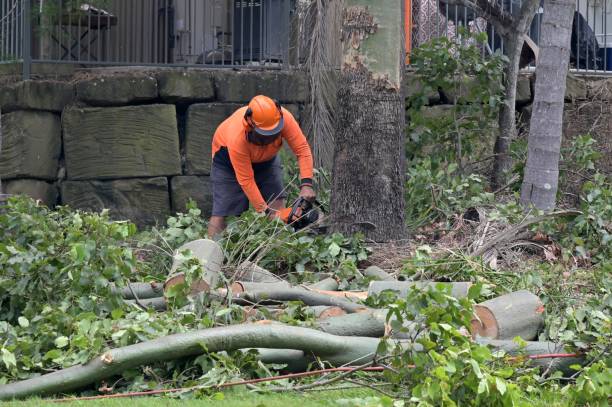
Understanding Structural Damage in Trees and When to Take Action
Structural damage in trees is a critical concern as it can compromise safety, property integrity, and even the tree’s overall health. Recognizing the signs of structural damage early can help prevent costly accidents or liabilities. Below, we’ll explore how to identify structural issues in trees and when action is necessary.
Common Causes of Structural Damage in Trees
Structural damage can arise from various sources, including:
– Severe Weather Events: High winds, heavy snow, or ice storms can break branches or weaken the trunk.
– Lightning Strikes: Trees struck by lightning may exhibit cracks, splits, or internal weakening.
– Improper Pruning: Poor pruning methods may leave open wounds that weaken a tree’s structure over time.
– Pests and Diseases: Infestations such as termites or diseases like root rot can destabilize a tree’s foundation.
– Soil Erosion: The loss of soil around a tree’s roots due to water runoff or excavation reduces its stability.
Key Indicators of Tree Structural Problems
- Visible cracks along the trunk or main branches are indicators of stress or damage.
- Splits between major limbs may eventually cause them to collapse.
- A natural lean is typical for some species; however, sudden leaning indicates root instability.
- Check for exposed roots on the leaning side or shifts in soil near the base.
- Branch unions shaped like “V”s instead of “U”s are weaker and prone to failure under pressure.
- Large branches growing at sharp angles should be evaluated carefully.
- A hollow trunk doesn’t necessarily mean the tree must be removed but could signal weakening.
- Use tools like mallets to tap the trunk; hollow sounds often indicate internal decay.
- Mushrooms or fungi growing at the base suggest decay inside the trunk or roots.
- Examine for dry, brittle wood that easily crumbles when touched.
When Should You Take Action?
| Situation | Suggested Action |
| Cracks threatening nearby property | Schedule immediate professional inspection |
| Leaning toward power lines | Call utility services before removal |
| Weak branching over walkways | Prune damaged branches without delay |
| Evidence of internal rot | Consult an arborist for risk assessment |
Professional vs DIY Response
- For small cracks and manageable pruning tasks, homeowners with proper tools might take on minor fixes safely.
- For large trees near structures, utilities, or public areas, always consult certified arborists who have expertise in hazard assessment and safe removal practices.
By understanding these signs and taking appropriate action when necessary, you can mitigate risks associated with structurally damaged trees effectively while preserving safety and property value long-term.
Recognizing Signs of Tree Infection or Disease That Require Removal
Trees, much like other living organisms, can suffer from infections and diseases. If left unaddressed, these issues can pose safety risks, lead to the decline of surrounding vegetation, and create costly property damage. Recognizing the signs of a tree infection or disease early is crucial to determining whether removal is necessary. Below are key indicators and considerations to help identify when action should be taken.
Common Signs of Tree Disease or Infection
- Wilting leaves despite adequate watering
- Discoloration such as yellowing or browning outside of seasonal changes
- Spots, holes, or unusual patterns on leaves
- Cracks, peeling bark, or areas where bark is falling off entirely
- Cankers (sunken areas in the bark) caused by fungal infections
- Dead branches scattered throughout the canopy (known as “deadwood”)
- Brittle branches that easily break in windstorms
- Mushroom-like growths at the base of the tree or on its trunk — a strong indicator of internal rot
- Excessive sap leakage or sticky residue around wounds might point to insect infestations causing stress to the tree
When Should You Remove a Diseased Tree?
- When Structural Integrity Is Compromised:
A diseased tree with severe rot or decay may no longer have stable roots or branches. This increases its likelihood of falling during storms and endangering people or property nearby. - Risk of Spreading Disease:
Some infections spread quickly among nearby trees and shrubs if not contained. Examples include Dutch elm disease and certain types of fungal infections that target multiple species within close proximity. - Damage Beyond Repair:
If more than half the canopy is dead, it’s unlikely the tree will recover even with treatments like pruning or fungicides. - Invasive Pests Linked To The Disease:
Infections caused by insects such as emerald ash borers typically cause irreversible damage and necessitate swift intervention.
Preventative Steps to Protect Neighboring Trees
- Regularly inspect neighboring trees for early signs of infection.
- Apply protective measures such as mulching around their base and appropriate fertilizers.
- Consult with arborists to ensure proper pruning techniques are used for disease prevention.
| Symptoms | Possible Causes | Recommendation |
| Wilting Leaves | Root Rot / Overwatering | Improve soil drainage |
| Cankers on Bark | Fungal Infections | Prune affected areas & treat |
| Sudden Dead Branches | Bacterial Disease / Decay | Evaluate structural integrity |
Maintaining regular monitoring practices ensures issues are identified before widespread damage occurs.
How Overgrown Trees Can Pose Risks and When to Address Them
Overgrown trees may seem harmless or even desirable for their lush aesthetics, but they can pose significant risks to safety, property, and the surrounding environment when left unmanaged. Understanding these risks and recognizing when to take action is critical for maintaining a safe and functional outdoor space.
Risks Posed by Overgrown Trees
- Branches growing too close to buildings can scrape roofs, damage siding, or interfere with utility lines.
- Roots of large trees may invade underground pipes, foundations, driveways, or sidewalks, leading to costly repairs.
- Overextended branches are prone to breaking under the weight of leaves or due to strong winds and storms.
- Falling branches can cause injuries to people or animals and damage vehicles or nearby structures.
- Overgrown trees near roadways or driveways may obstruct visibility for drivers, increasing the chances of accidents.
- Dense tree canopies that block lighting can create dark areas that compromise security around your property.
- Tree limbs encroaching on power lines pose electrical hazards such as power outages, fires, or electrocution risks during storms.
- Overshadowing smaller plants in your landscape can limit sunlight availability, hindering their growth or even killing them.
- Excess fallen leaves from overgrowth can lead to clogged gutters and storm drains.
Signs Your Tree Is Becoming a Risk
- Branches are visibly weak or sagging under their weight.
- The tree is leaning noticeably in one direction.
- Growth has extended dangerously over homes, fences, roads, or utility lines.
- Signs of overcrowding with other trees or plants causing competition for resources like sunlight and water.
- Excessive leaf shedding throughout the year rather than seasonally typical patterns.
Steps You Can Take
- Regular Pruning: Schedule routine trimming to manage excessive growth while encouraging healthy development. This process helps reduce unnecessary weight in branches that could break off during storms.
- Crown Reduction: In cases where excessive canopy size becomes an issue, professionals can thin out parts of the crown without compromising the tree’s structure.
- Root Control Measures: Installing barriers around invasive roots prevents damage while allowing controlled growth underground.
- Tree Removal (if necessary): If pruning isn’t enough due to extreme overgrowth threatening safety or sustainability measures fail (e.g., root invasion), safe removal might be required.
When Should You Hire Professionals?
- Call a professional arborist when dealing with:
1) Large-scale pruning needs involving tall ladders & heavy-duty equipment. 2) Trees growing near sensitive structures like powerlines/dangerous locations require advanced expertise ensuring compliance w/safety standards .

When to Call Professional Help for Safe and Efficient Tree Services
Proper tree care is essential for maintaining the safety, beauty, and longevity of your property. While some tasks, such as pruning small branches or removing light debris, can be handled by homeowners, there are situations when calling a professional tree service is not just beneficial—it’s necessary. Below are key indicators and reasons why professional help should be sought.
Situations That Call for Professional Tree Services
- Tree Removal on Large or Damaged Trees
Removing a large tree or one that has sustained significant damage requires expertise and specialized equipment. Professionals ensure the process is done safely without causing harm to surrounding structures, landscaping, or individuals. - Dealing with Storm-Damaged Trees
After severe weather events, trees may become unstable due to broken limbs or uprooted roots. A qualified arborist can assess the damage and determine if the tree can be salvaged or needs removal. - Handling Diseased or Infested Trees
Trees affected by diseases or pest infestations may require expert diagnosis and treatment. If removal is necessary, professionals will ensure safe disposal to prevent further spread. - Trees Near Power Lines
Working around power lines is extremely hazardous and should never be attempted by an untrained individual. Licensed professionals have the tools, knowledge, and safety protocols to handle such dangerous situations. - Addressing Structural Damage in Trees
Severe cracks in trunks or large branches indicate structural instability that poses a safety risk. Arborists can evaluate whether bracing or cabling may save the tree—or if removal is required for safety.
Benefits of Hiring Professional Tree Services
- Safety First: A professional crew has experience using chainsaws, cranes, ropes, and other equipment safely—and ensures no accidents occur during the process.
- Efficiency: Experts complete tasks like trimming or stump grinding far quicker than DIY efforts while ensuring high-quality results.
- Insurance Coverage: Reputable companies carry liability insurance to cover potential damage during work on your property.
- Expert Knowledge: Certified arborists provide insight into preserving healthy trees while addressing problem areas effectively.
| Key Benefits of Professional Services | DIY Limitations |
| Proper safety measures in place | Increased risk of accidents |
| Specialized tools & training | Limited equipment access |
| Insurance coverage | No liability protection |
| Expertise in diagnosis & solutions | Lack of advanced knowledge |
When DIY Isn’t Enough
- Large tree removals
- Treatment of infections
- Emergency storm response
- Stump grinding
Attempting these without proper training may lead to injuries—or even legal issues if property boundaries are impacted.
Key Takeaway
Whenever you feel uncertain about a tree-related task due to its complexity, scale, or risks involved, it’s wise to consult with a professional tree service provider. Their expertise ensures not only the health of your landscape but also the safety of everyone involved.
- Essential Signs You Need Palm Bay Tree Service for Healthy and Safe Trees
- Emergency Tree Services from a Trusted Tree Removal Company Palm Bay FL
- Expert Arborist Palm Bay FL: Signs It’s Time to Remove a Tree
- Comprehensive Palm Bay Tree Service Information and Details
- How Palm Bay Tree Service Can Keep Your Property Safe with Regular Tree Trimming
- How Tree Pruning Service Palm Bay FL Can Protect Your Property and Save You Money